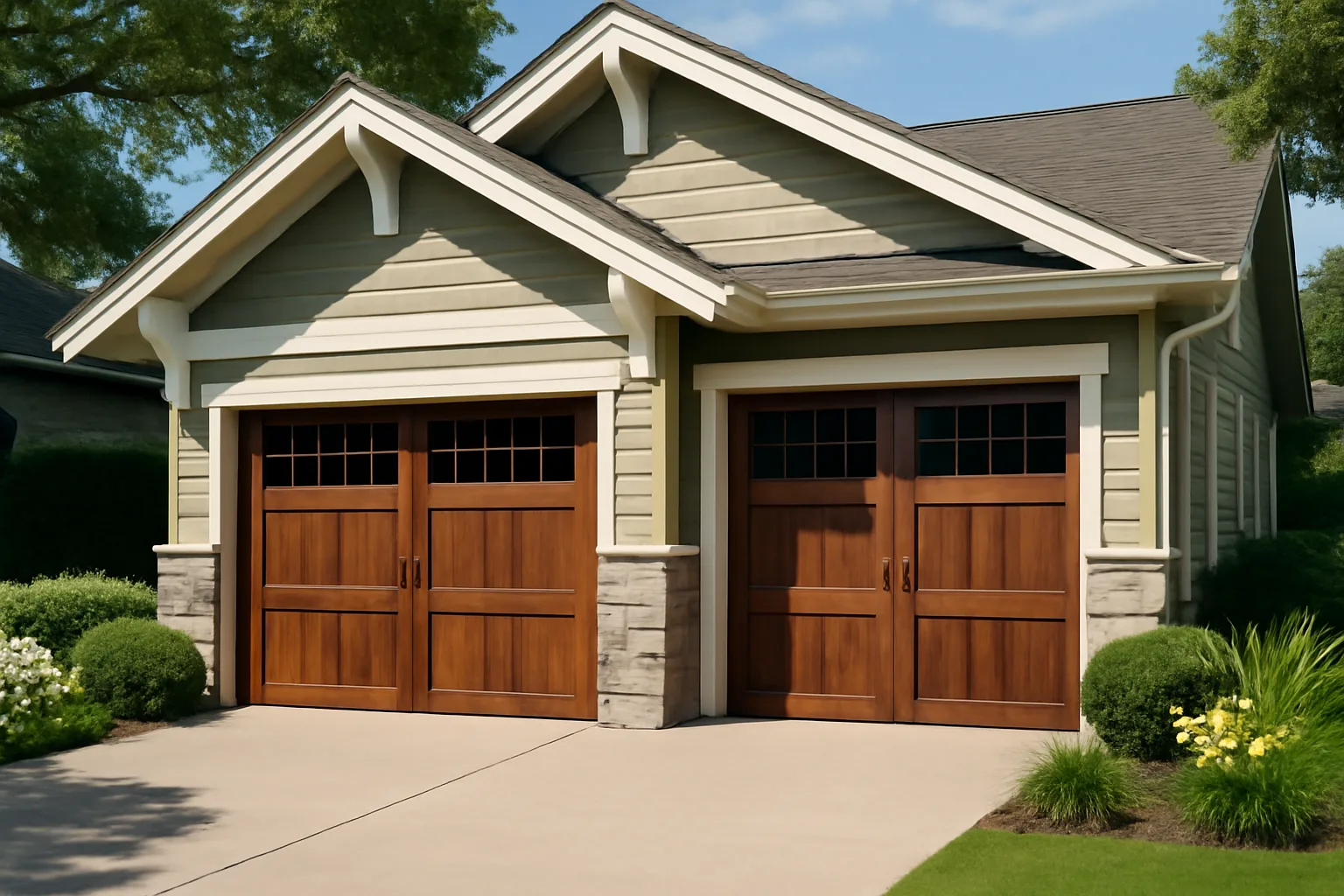
A garage door is the heaviest moving part of most Garfield homes, cycling up and down thousands of times a year until something finally wears out. Most of what goes wrong is mechanical and predictable, which is exactly why a trained eye can diagnose it fast. Our aim is a lasting fix, not a temporary patch that has you calling back next month. Call 551-324-9814 for fast garage door repair in Garfield, NJ.
Manual Operation in an Emergency
When a spring breaks you can usually pull the red release cord to disconnect the opener, but the door will be very heavy and should be lifted with care or left down until a technician arrives. Never prop a heavy door with anything but a proper support.
Smart and Wi-Fi Openers
Newer openers let you open, close, and monitor the door from your phone and get alerts if it is left open. If you are replacing a unit anyway, the convenience and added security of a connected opener are usually worth the modest difference.
When the Remote Won't Work
If the wall button opens the door but the remote does not, the remote is the suspect — usually a dead battery or a remote that needs reprogramming. If neither works, the issue is more likely the opener's power or logic board.
Single and Double Spring Systems
Lighter doors often use a single torsion spring, while heavier or wider doors use two for balanced support. On a two-spring door, replacing both at the same time is standard practice, since the surviving spring is close behind the one that failed. Matching the configuration the door was engineered for keeps it balanced and the opener unstrained.
Garage Door Balance, Explained
Disconnect the opener and lift the door halfway by hand. A balanced door stays put; one that slams down or flies up is fighting its springs. Poor balance is the hidden cause behind a surprising number of opener and wear complaints.
The Manual Release
The red cord disconnects the door from the opener so you can operate it by hand during an outage or a malfunction. Knowing where it is and how to re-engage it afterward is basic, useful knowledge for every homeowner.
What Sets a Quality Repair Apart
Not all repairs are equal, and the difference shows up months later. A quality repair uses the correctly sized part — the right spring for the door's weight, not whatever was on the truck — and addresses the cause, not just the symptom. The technician checks the surrounding components so a fixed spring isn't undone by a worn cable a week later, balances the door, and tests every safety feature before leaving. A cheap repair skips those steps and you're calling again soon. For Garfield homeowners, paying a little more for work done properly is almost always cheaper over the life of the door.
Understanding the Opener's Safety Features
Modern openers are built around safety systems that are easy to take for granted until they misbehave. The photo-eye sensors near the floor project an invisible beam; if anything breaks it, the door refuses to close, protecting children, pets, and cars. The auto-reverse senses contact and backs the door off. Travel limits tell the opener exactly how far to move, and force settings decide how much resistance triggers a stop. When these drift or get dirty, the door may reverse for no clear reason or refuse to close — which is usually a quick adjustment rather than a failure. Every Garfield home should test these monthly.
Cutting Down Garage Door Noise
A loud garage door is usually fixable, and the cure depends on the cause. Metal-on-metal rattling typically means loose nuts and bolts that vibration has worked free over thousands of cycles — tightening them is the first step. Squealing points to dry rollers and hinges that need garage-door lubricant. A persistent grinding can mean worn rollers or a tired opener gear. Swapping basic steel rollers for nylon ones with sealed bearings makes a dramatic difference, as does a belt-drive opener in place of an old chain drive. For Garfield homes with a bedroom over or beside the garage, these quieting steps are some of the most appreciated upgrades.
Insulation, Energy, and Comfort
If your garage is attached or you spend time in it, insulation changes the experience. An insulated door slows heat transfer, keeping the space closer to a comfortable temperature and protecting any rooms above or beside it from the garage's swings. That stability shows up in both comfort and energy bills. R-value measures the insulating performance — higher is better — and for attached garages or workshops a mid-to-high R-value door earns back its modest premium. Pair it with intact weatherstripping and a good bottom seal, and a Garfield garage stays usable year-round while easing the load on whatever heats and cools the adjacent living space.
Matching Opener Power to Your Door
Garage door openers come in different power ratings, and matching the motor to the door prevents premature wear. A light, single, uninsulated door is happy with a modest motor, while a heavy double, wood, or insulated door needs more muscle to lift smoothly without straining. Undersizing the opener means it works hard on every cycle and burns out early; oversizing wastes money. Drive type factors in too — belt for quiet, chain for economy, direct-drive for minimal moving parts. A good installer sizes the unit to the door's actual weight and your noise tolerance, so a Garfield homeowner gets quiet, reliable operation that lasts.
Repair Versus Replacement: Making the Call
Not every aging door should be replaced, and not every problem justifies a new one. The deciding factors are the door's age, how many components are failing, and whether the panels themselves are damaged. A single failed part — a spring, a roller, an opener gear — on an otherwise sound door is almost always worth repairing. But once a door is past fifteen or twenty years, shows rust or cracked panels, and needs several parts at once, a replacement is usually the better value: newer doors are quieter, better insulated, more secure, and they lift curb appeal. A good Garfield technician will give you the honest math rather than pushing the bigger ticket.
How Garage Doors Affect Home Value
Few exterior features punch above their weight like the garage door. On many homes it's up to a third of the street-facing surface, so its condition shapes the first impression a buyer forms before they ever reach the front step. A clean, quiet, well-kept door signals a home that's been cared for; a dented, noisy, dated one makes buyers wonder what else was neglected. That's why a garage door replacement consistently ranks among the top home-improvement projects for return on investment. Even short of a full replacement, a tune-up, fresh paint, and new seals measurably improve how a Garfield home shows.
A Season-by-Season Care Calendar
Tying garage door care to the seasons makes it easy to remember. In spring, wash the door, check the bottom seal for winter cracking, and lubricate the moving parts. In summer, tighten the hardware that heat and use have loosened and clean the photo-eye lenses. In fall, run a full balance and safety-reverse test before the cold arrives and re-lubricate so parts move freely in low temperatures. In winter, watch for a seal frozen to the floor and clear ice that blocks the sensors. This simple rhythm keeps a Garfield door dependable year-round and surfaces small problems before they strand you.
The True Cost of Putting Off a Repair
Garage doors rarely fail without warning — they hint first. A little extra noise, a slight hesitation, a door that feels heavier by hand: each is the system asking for attention. Ignore it and the cost compounds. A dry, unlubricated spring wears out years early. A door that's out of balance forces the opener to strain on every cycle, shortening the motor's life. A worn roller chews into the track; a frayed cable that isn't caught can snap and drop the door. Nearly every emergency we run in Garfield traces back to a small, inexpensive issue that was left alone for months. Acting early is almost always the cheaper path.
The Value of an Upfront Quote
One of the clearest signs of a trustworthy garage door company is a firm, written quote before any work begins. Garage door repairs are predictable enough that there's no reason for diagnosis-by-guesswork or surprises at the end. A good technician inspects the door, identifies the real cause, and tells you exactly what the repair will cost and what it includes — parts, labor, and warranty. That transparency lets you make an informed decision rather than feeling pressured. Be wary of anyone who won't commit to a price or who pads the job with parts you didn't need. For Garfield homeowners, an honest upfront quote is the foundation of a fair repair.
Garfield Garage Door FAQs
Should I repair or replace my opener?
A newer unit with one failed part is usually worth repairing. If the opener is old, lacks modern safety features, or has a failed control board, replacing it with a quieter, more secure model is the better value.
Why does my remote only work up close?
Short range usually comes from interference — often LED bulbs or nearby electronics — or a weak antenna. An opener-rated bulb and a straightened antenna typically restore normal range.
Why won't my garage door close all the way?
The usual suspects are misaligned or dirty photo-eye sensors, an incorrect close-limit setting, or an obstruction in the track. If the door reverses right before closing, start with the sensors near the floor.
Explore our Garfield garage door repair, spring repair, and opener repair services, or read the blog.
